Writing a profile and taking photos that get bookings
The profile does the selling while you sleep. A method for photos that look like you, a bio that sounds like you, and the facts clients need, laid out so they book instead of asking.
- Reads
- New
- Minutes
- 6
Clients decide in about eight seconds whether to open a profile, and in about a minute whether to send a message. In that minute they are asking three questions: is this real, is this for me, and what do I do next? A profile that answers all three gets booked. A profile that leaves any of them open gets a "hey, r u available?" message at 2am, or nothing.
This guide is the method we see work across published profiles on LuXeel: what to photograph, what to write, and how to lay out the facts. Nothing in it requires a photographer or a copywriter.
Part one: photos
Photos answer "is this real" before a word is read. Clients have been burned by stolen images, so what they are looking for is evidence of a real person on a real day.
What to shoot
- A main photo that shows you clearly, in good light, in a setting that looks like somewhere you actually are. This is the one that appears in search results and on city pages, so it carries the most weight.
- Three to six supporting photos with some variety: a different outfit, a different room, a full-length shot and a closer one. Variety is itself evidence that the photos were not lifted from one source.
- One recent photo, and keep it recent. A set that is clearly from the same afternoon two years ago reads as stale.
Light, background, phone
Natural daylight from a window, with you facing it, is better than any ring light. Turn off the overhead light; it makes shadows under the eyes. Shoot in the hour after sunrise or before sunset if you can.
The background matters more than people think. A made bed, a tidy chair, a plain wall or a hotel room says "organised"; a pile of laundry says the opposite. Move things out of frame rather than cropping them later.
A modern phone camera is enough. Wipe the lens. Use portrait mode for closer shots and the normal camera for full-length. Shoot more than you need and choose later.
Face or no face
Whether to show your face is a privacy decision, and either answer can work. What does not work is inconsistency. If your face is visible on one site and blurred on another, you have given anyone a way to join the two. Decide once, and apply it everywhere.
If you hide your face, do it with a consistent method (a crop at the chin, a turned head, a blur applied the same way) and make sure the rest of the photo still shows a person: hands, posture, hair, a real room. A headless torso against a white wall looks like a stock image.
Editing
Light retouching is fine. Heavy smoothing, body reshaping and filters are not, for one reason: the person who arrives at the booking has to be the person in the photo, and the gap between the two is the single most common cause of a bad review. Adjust exposure, straighten the horizon, crop. Leave your face alone.
What LuXeel does with your photos
Every photo is reviewed by a person before it appears, and we strip the location and device data that phones embed in image files, so a photo on LuXeel cannot be traced back to where it was taken. We also serve the images in a form that makes casual saving harder. None of that replaces your own care about what is in frame.
Part two: the bio
The bio answers "is this for me". It is the part most profiles get wrong, usually by trying to appeal to everyone, which appeals to no one.
Write it in the first person, in your own voice
Read a few profiles aloud and you will hear the difference between "Elegant and sophisticated companion offering an unforgettable experience" and "I like long dinners, good wine and people who can hold a conversation. If you are nervous, I am good at that too." The second is a person; the first is a template. Clients book people.
Three short paragraphs
- Who you are and what a booking with you is like. Not your measurements, which belong in the facts list, but the feel of it: unhurried, playful, formal, talkative, quiet.
- Who you enjoy seeing. Being specific attracts the right people and politely steers the wrong ones away. "I see gentlemen over 30 who book in advance" does more filtering than any rules list.
- What you need from them. Your screening step, your deposit, how far ahead to book, and how you like to be contacted (the safety guide explains how to decide each). Said warmly, this reads as professionalism, not as a warning.
Things to leave out
- Anything that identifies you: your suburb, your day job, your university, your car, your dog's name.
- Explicit lists of acts. They attract the wrong enquiries, they are restricted by advertising law in several states, and they make the profile read as a menu rather than a person. "What I offer" belongs in a short, neutral line in the facts.
- Complaints about other clients. A paragraph of rules in capitals tells a good client that you expect him to be a bad one.
- Claims you cannot support. "Verified", "genuine" and "100% real" in a bio mean nothing; a verification badge from the platform's review means something.
A tagline that does work
Most platforms show a one-line tagline next to your name in search results. Use it to say the one thing that makes you different, in under ten words: "Dinner dates and slow evenings in the CBD" beats "Gorgeous, discreet, available now".
Part three: the facts
The facts answer "what do I do next". They should be in a list, in a predictable order, where a client can find them without reading the bio:
| Fact | Why it matters |
|---|---|
| Rates: hourly, two hours, overnight | Clients who cannot see a rate assume it is high, or ask, and the asking is tedious for both of you |
| Incall, outcall or both | The first thing a client checks after the rate |
| Location at city or area level | Enough to know you are near; never a street or building |
| Availability and notice | "Weekday evenings, 24 hours' notice" prevents the 2am messages |
| Deposit | Stated up front, it stops being a negotiation |
| Contact method | One method, clearly stated, with your working hours for replies |
| A short "what I offer" line | Neutral, factual, and compliant with your state's advertising rules |
On LuXeel these live in their own fields (rates, availability, categories, location) so they show on your card in search results and in the directory's filters. Fill them all in: a profile with a rate and an availability status gets found by filters that an empty one never appears in.
Part four: keep it alive
A profile that was perfect six months ago and untouched since is a profile clients skip, because untouched profiles are often abandoned ones. The fix is small and regular:
- Update your availability whenever it changes. On LuXeel, a current availability status shows an "available now" badge on your card.
- Post something on a regular rhythm: a new photo, a note about touring dates, a short update. LuXeel rewards daily activity with streak visibility boosts (a week of daily posts earns a boost; a month earns a longer one), which lift you in your city's listing without paying for placement.
- Rotate a photo every month or two. A new main photo is noticed by returning clients and by the directory's recency ranking.
- Reread the bio every quarter and cut anything that no longer sounds like you.
Before you publish: a ten-point check
- Main photo: good light, shows a real person in a real place.
- At least three supporting photos with some variety.
- Face decision applied consistently across every platform.
- No identifying details in any photo or line of text.
- Bio in the first person, three short paragraphs, your actual voice.
- Tagline under ten words, saying one specific thing.
- Rates stated, including deposit.
- Incall/outcall, area and availability stated.
- One contact method and your reply hours.
- Everything consistent with your other listings.
Examples from the directory
Published profiles on LuXeel show how this looks in practice. Notice how the ones that get attention show a person, state a rate, and say what they want:
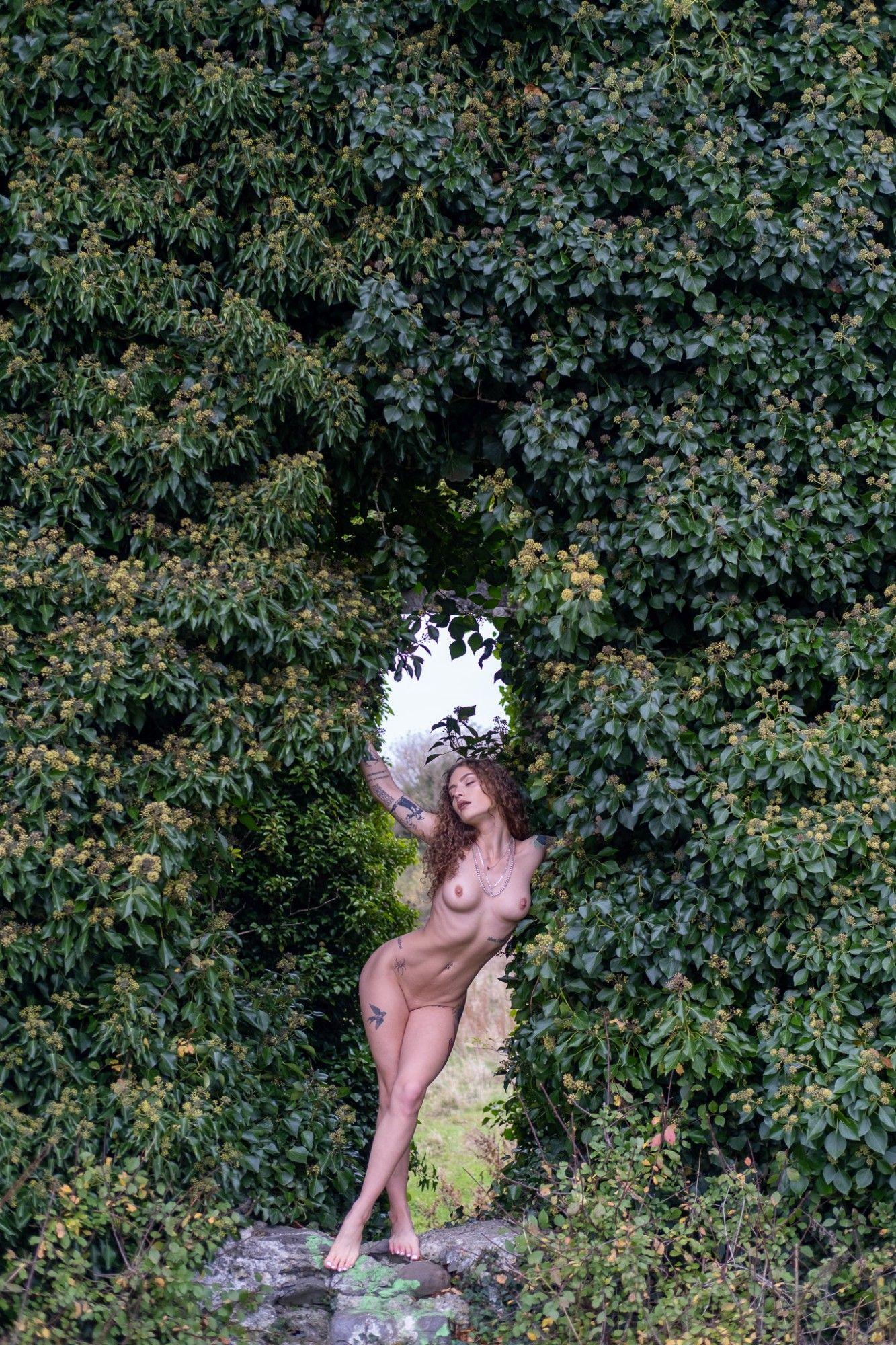
Meagan Stroman
Melbourne companion with an eye for the finer things.
From A$350 / hr
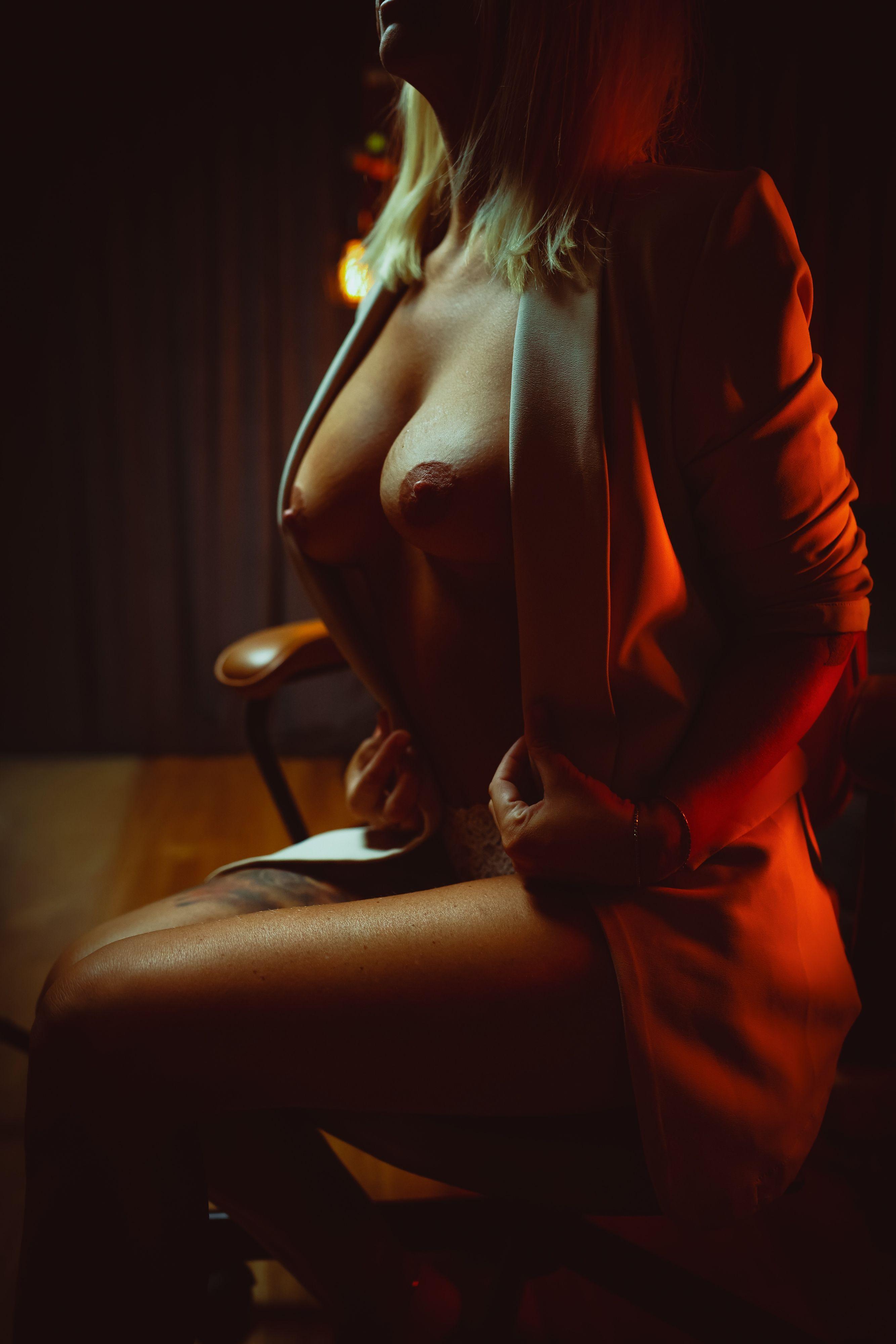
Isla Whitcombe
Sydney companion who loves good wine and better conversation.
From A$380 / hr
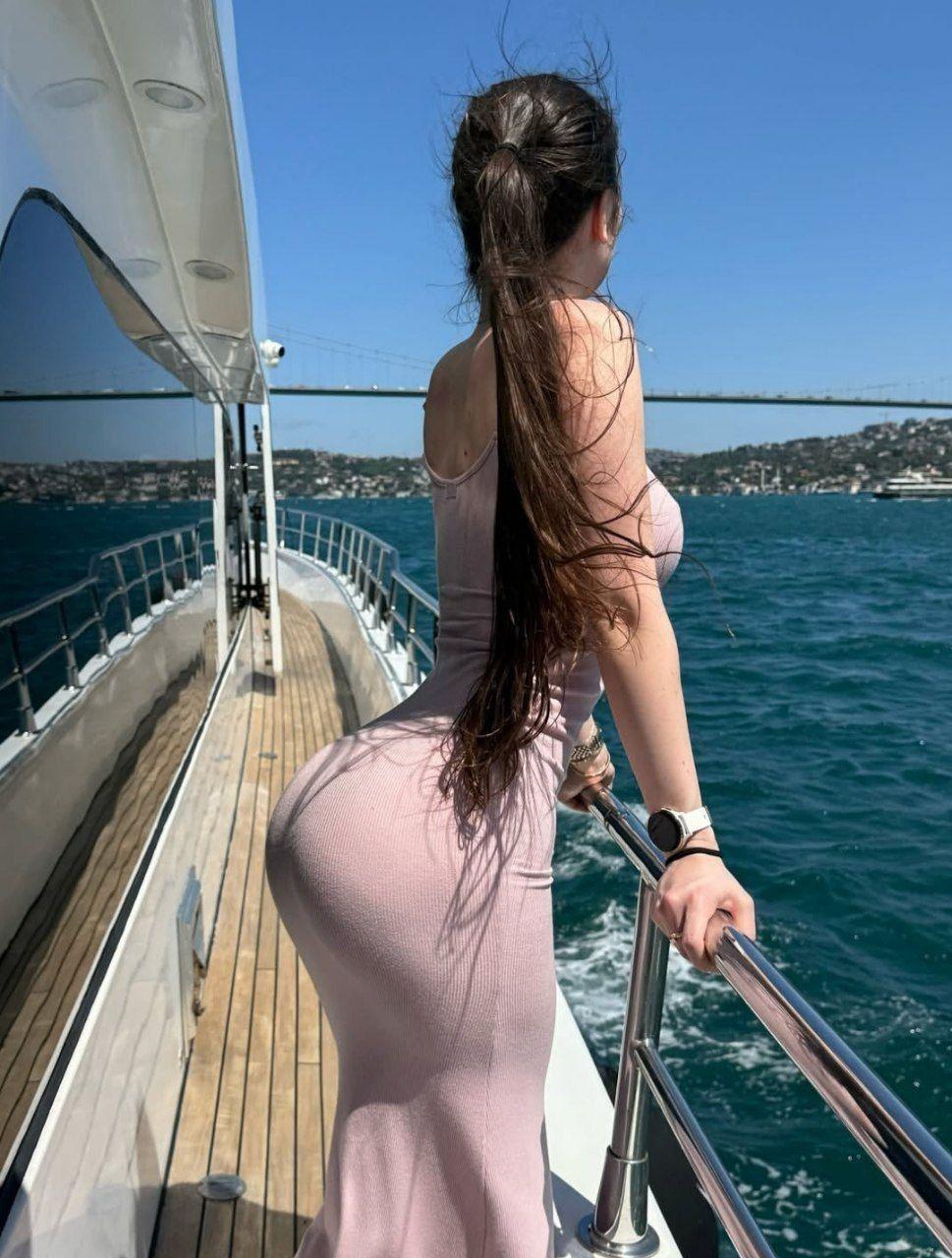
Nadia Solberg
New to LuXeel — Perth-based, easygoing, always up for something new.
From A$300 / hr
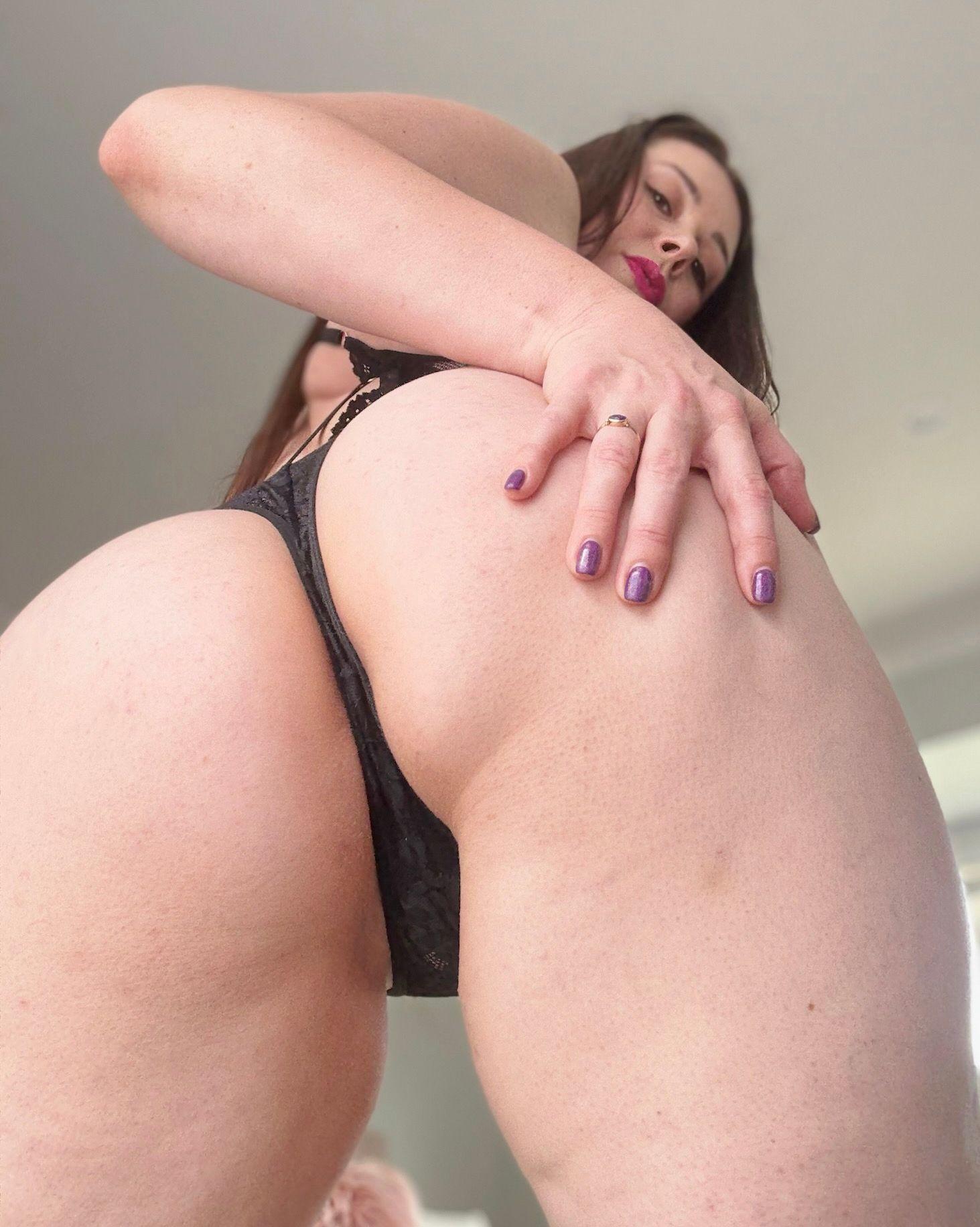
Julian Cole
Brisbane-based companion for dinners, events and good company.
From A$320 / hr